

Travel is changing.
Not long ago, success was measured by how many countries someone had visited in a year. Today, many travelers are asking a different question: Did this journey actually leave a lasting impact on me?
This shift has given rise to purposeful travel—a style of exploring the world that values meaningful experiences over packed itineraries. Instead of collecting passport stamps, travelers want genuine connections with people, landscapes, and cultures.
The Himalayas naturally fit this philosophy.
The Everest Base Camp Trek with Helicopter Return isn’t simply about reaching a famous destination. It’s about experiencing one of the world’s most iconic mountain regions in a way that encourages curiosity, patience, and appreciation for the journey itself.
Every village, every trail, and every conversation adds something that cannot be found in an ordinary holiday.
Moving Beyond the Tourist Mindset
Purposeful travelers don’t just arrive, take photographs, and leave.
They want to understand the places they visit.
The Everest trail creates opportunities to do exactly that. Walking through mountain villages introduces visitors to daily life in the Khumbu region. Local traditions, Buddhist heritage, and the rhythm of mountain communities become part of the experience rather than something observed from a distance.
Instead of feeling like an outsider, you begin to understand why this region has inspired explorers, climbers, and trekkers for generations.
Travel That Rewards Patience
Modern travel often encourages speed.
The Everest region encourages patience.
Trails cannot be rushed, and the mountains demand respect. Progress comes through steady walking, proper acclimatization, and taking time to appreciate the changing landscape.
This slower rhythm allows travelers to notice details that would otherwise be missed morning light on distant peaks, the sound of prayer wheels turning, and the welcoming atmosphere inside traditional teahouses.
Purposeful travel isn’t about seeing more.
It’s about noticing more.
Every Conversation Adds to the Journey
Some of the most memorable parts of the trek aren’t found on a map.
They’re found in conversations.
A guide explaining the history of an ancient monastery.
A teahouse owner sharing stories about life during the winter months.
Fellow trekkers exchanging experiences from different parts of the world.
These interactions give the Everest region personality. They transform the trek from a physical adventure into a cultural exchange that continues throughout the journey.
When the Return Offers a New Perspective
Most adventures naturally slow down after reaching their main destination.
The Everest Base Camp Trek with Helicopter Return takes a different approach.
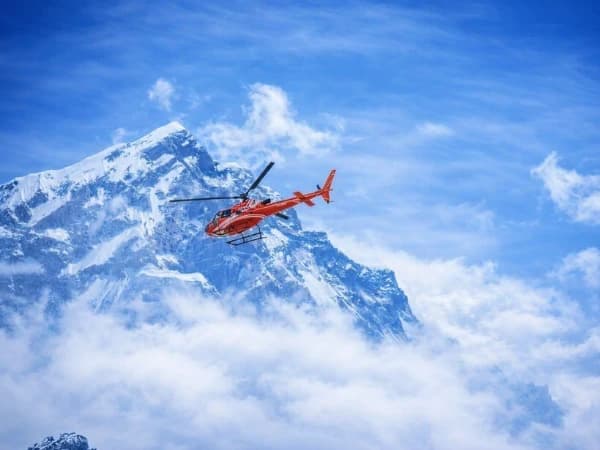
After arriving at Base Camp, the experience concludes with a helicopter flight that reveals the Khumbu region from an entirely new angle. Valleys, glaciers, mountain ridges, and villages that were explored on foot now appear as part of one remarkable landscape.
Rather than feeling like the adventure is ending, many travelers describe this final stage as the perfect conclusion to everything they experienced along the trail.
Purposeful Travel Leaves a Positive Impact
One of the defining characteristics of purposeful travel is leaving a destination with respect rather than simply passing through it.
In the Everest region, that means supporting local businesses, staying in family-run teahouses, hiring experienced local guides, and appreciating traditions that have shaped mountain life for generations.
Every overnight stay, meal, and conversation contributes to the local economy and helps preserve the unique culture that makes the Khumbu Valley so special.
When travel benefits both visitors and host communities, the experience becomes more meaningful for everyone involved.
Memories Built Through Experience, Not Luxury
Purposeful travelers rarely measure a trip by the number of attractions they visit.
Instead, they remember experiences that created genuine emotions.
Watching the sunrise illuminate distant Himalayan peaks.
Sharing dinner with trekkers from different countries.
Listening to stories about Sherpa history while resting in a quiet mountain village.
Standing silently at Everest Base Camp after days of determination.
These aren’t experiences that can be purchased they’re earned through time, curiosity, and openness to the journey.
Why the Everest Region Continues to Inspire
Thousands of mountains exist around the world, yet Everest continues to hold a special place in the imagination of travelers.
It’s not only because it’s the highest peak on Earth.
The region represents resilience, exploration, cultural heritage, and the timeless relationship between people and nature.
Walking through the Khumbu Valley allows visitors to experience these qualities firsthand rather than simply reading about them.
That’s one reason so many travelers describe Nepal as a destination they hope to visit again.
Selecting an Experience That Reflects Your Travel Values
The itinerary you choose should match the kind of traveler you want to be.
If your goal is simply to reach Everest Base Camp, there are many trekking options available.
If your goal is to combine authentic mountain trekking with thoughtful planning and an unforgettable conclusion, it’s worth choosing an itinerary that reflects those priorities.
Mountain Magic Treks offers the Everest Base Camp Trek with Helicopter Return, allowing travelers to experience the traditional Everest trail before completing the adventure with a scenic helicopter flight above the Himalayas. The journey balances cultural immersion, gradual acclimatization, and breathtaking scenery while remaining true to the spirit of the Everest region.
A Journey With Meaning Beyond the Mountains
Some trips entertain you for a few days.
Others influence the way you think long after you’ve returned home.
The Everest Base Camp Trek with Helicopter Return belongs to the second category. It encourages travelers to slow down, appreciate different cultures, embrace uncertainty, and recognize the value of experiences that require patience and commitment.
Purposeful travel isn’t about doing more.
It’s about experiencing more deeply.
And few places in the world offer that opportunity as powerfully as the Himalayas.
Frequently Asked Questions
What is purposeful travel?
Purposeful travel focuses on meaningful experiences, cultural understanding, and personal growth rather than simply visiting popular attractions or following a packed itinerary.
Why does the Everest Base Camp Trek with Helicopter Return suit purposeful travelers?
It combines authentic trekking through the Khumbu region with opportunities to experience Sherpa culture, support local communities, and finish the journey with a memorable helicopter flight that offers a new perspective on the Himalayas.
Do I still complete the full trek to Everest Base Camp?
Yes. You hike to Everest Base Camp following the classic trekking route. The helicopter is used only for the return journey after completing the trek.
Can this journey help me connect with local culture?
Absolutely. Along the route, you’ll pass through Sherpa villages, visit traditional teahouses, and experience the customs, hospitality, and heritage that make the Everest region unique.
What makes this experience different from a typical holiday?
Rather than focusing on sightseeing alone, the journey combines physical achievement, cultural immersion, natural beauty, and personal reflection, creating memories that often last well beyond the trip itself.
