

Introduction
Limi Valley Trekking is an extraordinary adventure into one of the most remote and culturally fascinating regions of northwestern Nepal. Located in Humla District near the Tibetan border, Limi Valley is a secluded Himalayan landscape surrounded by dramatic mountains, ancient villages, high-altitude pastures, and rugged trails. Far from Nepal’s busy trekking routes, the valley offers travelers an opportunity to experience a peaceful and authentic side of the Himalayas.
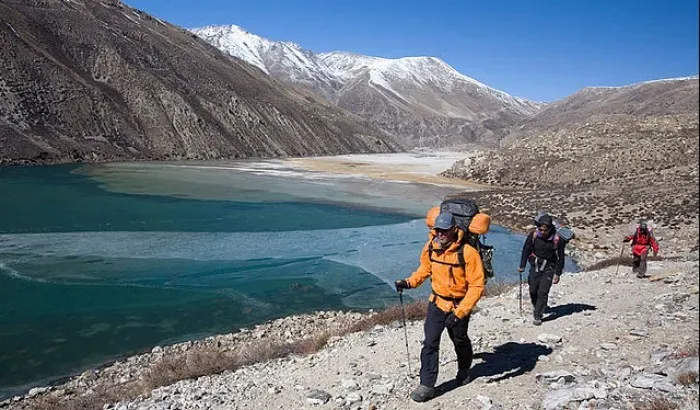
The journey to Limi Valley is not simply about reaching a particular destination. It is an immersive experience through a landscape where ancient Buddhist traditions, Tibetan-influenced culture, and traditional mountain lifestyles continue to shape everyday life. Trekkers cross high passes, follow river valleys, walk through barren mountain terrain, and visit centuries-old settlements that appear almost untouched by modern development.
For adventurous travelers looking for solitude, cultural discovery, and spectacular Himalayan scenery, Limi Valley provides an unforgettable trekking experience.
Where Is Limi Valley?
Limi Valley lies in the Humla region of northwestern Nepal, close to the international border with Tibet. The valley is part of a remote Himalayan landscape characterized by high mountains, deep gorges, dry plateaus, and traditional settlements.
Its geographical isolation is one of its defining characteristics. Unlike the Everest and Annapurna regions, Limi Valley has relatively limited infrastructure and receives far fewer trekkers. The lack of large tourist centers gives the area a strong sense of wilderness.
The valley is also culturally significant. Local communities have maintained Tibetan Buddhist traditions for generations, and visitors can encounter ancient monasteries, prayer walls, chortens, prayer flags, and distinctive traditional architecture.
Why Choose Limi Valley Trekking?
There are many reasons to choose Limi Valley Trekking, but the region’s remoteness is perhaps its greatest attraction. Travelers who want to escape crowded trails and discover a less-explored part of Nepal will find the valley particularly rewarding.
The scenery is another major highlight. Snow-covered mountains rise above barren slopes and green river valleys, creating a landscape that can look dramatically different from the lush forests found in many other parts of Nepal.
The cultural experience is equally important. The villages of Limi Valley have retained many traditional customs, and daily life remains closely connected to agriculture, livestock, religion, and the natural environment.
The trek also provides a sense of genuine exploration. Long stretches of trail can pass without encountering large groups of tourists, allowing trekkers to experience the quietness of the Himalayas.
Highlights of Limi Valley Trekking
The trek combines natural, cultural, and historical attractions. Major highlights include:
-
Remote Himalayan landscapes near the Tibetan border
-
Traditional villages with Tibetan-influenced architecture
-
Ancient Buddhist monasteries and religious monuments
-
Dramatic mountain views and high-altitude valleys
-
Remote trails with very few trekkers
-
High passes and rugged mountain terrain
-
The peaceful Karnali River landscape
-
Traditional local lifestyles and agricultural practices
-
Opportunities for photography and cultural exploration
-
A genuine wilderness experience away from commercial trekking centers
Each day provides a different perspective of the region. The combination of barren mountains, green valleys, ancient settlements, and clear Himalayan skies makes Limi Valley particularly appealing to photographers and adventure travelers.
Limi Valley Trekking Route
The exact itinerary can vary according to the trekking agency, transportation arrangements, weather, and selected route. The journey generally begins with travel from Kathmandu toward Nepalgunj before continuing toward Simikot, the administrative center of Humla.
From Simikot, trekkers begin the overland trekking journey toward the remote valleys. The initial sections often pass through rugged hills and river valleys before gradually reaching higher elevations.
As the route progresses, the landscape becomes more isolated. Trekkers cross mountain passes, walk beside rivers, and pass through settlements where traditional houses and Buddhist structures provide a glimpse into local history.
Villages such as Talung, Halji, Til, and other settlements in the wider Limi region can form important cultural highlights depending on the itinerary. Halji is particularly notable for its ancient monastery and traditional Himalayan atmosphere.
The route eventually returns toward the lower valleys and Simikot before travelers make their way back to Kathmandu.
Because the region is remote, the itinerary should be planned with flexibility. Weather and local trail conditions can influence transportation and trekking schedules.
Difficulty of the Trek
Limi Valley Trekking is generally considered a challenging adventure and is better suited to trekkers with good physical fitness and some previous trekking experience.
The route involves long walking days, steep ascents and descents, uneven terrain, river crossings, and high-altitude sections. Some areas have limited infrastructure, making the trek more demanding than many established routes in Nepal.
Preparation should begin well before departure. Regular hiking, long-distance walking, stair climbing, running, cycling, and strength training can improve endurance.
Mental preparation is also important. Remote trekking requires flexibility because weather conditions, transportation delays, and trail changes may affect the planned schedule.
Altitude and Acclimatization
Altitude is an important consideration during Limi Valley Trekking. The route reaches high elevations, and trekkers need sufficient time to acclimatize.
A well-designed itinerary should include gradual elevation gains and appropriate rest days. Trekkers should maintain a comfortable pace rather than attempting to move too quickly.
Symptoms such as persistent headache, dizziness, nausea, unusual fatigue, or difficulty breathing should be taken seriously. Anyone experiencing signs of altitude illness should immediately inform their guide and follow appropriate safety procedures.
Adequate hydration, nutritious meals, sufficient sleep, and gradual acclimatization are important elements of a safe high-altitude trekking experience.
Best Time for Limi Valley Trekking
The best seasons for Limi Valley Trekking are generally spring and autumn.
Spring, from March to May, offers increasingly pleasant temperatures and beautiful natural scenery. Lower sections of the journey may display flowering vegetation, while higher areas provide impressive views of snow-covered mountains.
Autumn, from September to November, is another favorable season. Following the summer monsoon, skies are often clearer, allowing excellent mountain visibility. Daytime temperatures can be comfortable for trekking, although nights remain cold at higher elevations.
Winter can bring significant snowfall and extremely cold conditions, particularly around high passes. The summer monsoon can make lower trails wet and difficult while also affecting transportation.
Travelers planning a trek outside the main seasons should be prepared for more variable conditions and should consult local trekking professionals before departure.
Culture and Traditional Villages
One of the most memorable aspects of Limi Valley Trekking is the opportunity to experience traditional Himalayan culture.
The communities of the valley have strong Tibetan cultural influences. Buddhist practices are deeply connected to everyday life, and monasteries and religious structures are important parts of local communities.
Traditional houses are generally constructed using locally available materials and are adapted to the region’s harsh climate. Agricultural activities and livestock remain important sources of livelihood.
Visitors should approach local communities with respect. Asking permission before photographing people, respecting religious sites, and following local customs can help create positive interactions between travelers and residents.
Wildlife and Natural Environment
The remote environment of Limi Valley supports a variety of Himalayan flora and fauna. The landscape changes considerably with elevation, ranging from river valleys and grasslands to high-altitude rocky terrain.
Trekkers may encounter Himalayan birds and, with luck, wildlife adapted to the rugged environment. The wider Himalayan region provides habitat for species such as blue sheep, Himalayan black bears, and snow leopards, although sightings are rare and never guaranteed.
The best way to enjoy the natural environment is to remain observant while minimizing disturbance to animals and their habitats.
Accommodation and Food
Accommodation on the Limi Valley route is generally basic. Depending on the itinerary and season, trekkers may stay in local homestays, simple lodges, or camps.
Because the region is remote, food choices can be more limited than on popular trekking routes. Meals may include traditional dal bhat, rice, vegetables, noodles, soups, potatoes, and locally prepared dishes.
Trekkers should carry nutritious snacks such as dried fruit, nuts, energy bars, and chocolate. A suitable sleeping bag and warm clothing are also essential because nighttime temperatures can fall significantly.
Permits and Guide Requirements
Limi Valley is a remote and sensitive border-region trekking destination, so travelers must obtain the permits required for their route. Permit rules and fees can change, making it important to confirm current requirements before departure.
A licensed and experienced guide is strongly recommended. Guides can assist with navigation, accommodation, cultural communication, altitude management, and emergency situations.
Travelers should also consider comprehensive travel insurance that specifically covers high-altitude trekking and emergency evacuation where appropriate.
Responsible Trekking in Limi Valley
Because Limi Valley has a fragile environment and relatively limited tourism infrastructure, responsible travel is particularly important.
Trekkers should minimize plastic waste, avoid littering, use established trails, and carry reusable water bottles where practical. Visitors should also respect monasteries, religious monuments, prayer flags, and other culturally important locations.
Supporting local guides, porters, homestays, and community businesses can help tourism contribute directly to local livelihoods.
Conclusion
Limi Valley Trekking offers a rare opportunity to explore one of Nepal’s most isolated and culturally distinctive Himalayan regions. Its combination of dramatic mountains, ancient Buddhist traditions, traditional villages, high-altitude landscapes, and peaceful trails creates an experience that goes far beyond ordinary trekking.
The journey is physically demanding and requires careful preparation, proper acclimatization, suitable equipment, and an experienced guide. However, for travelers willing to take on the challenges of a remote Himalayan adventure, Limi Valley can provide an extraordinary sense of discovery.
Away from the crowds and commercial development of Nepal’s famous trekking destinations, Limi Valley preserves a remarkable connection between people, culture, and nature. From walking through ancient villages to crossing rugged mountain landscapes, every stage of the trek offers an opportunity to discover a quieter and more authentic side of the Himalayas. For adventurous travelers seeking solitude, cultural immersion, and breathtaking scenery, Limi Valley Trekking is a journey worth experiencing.
