

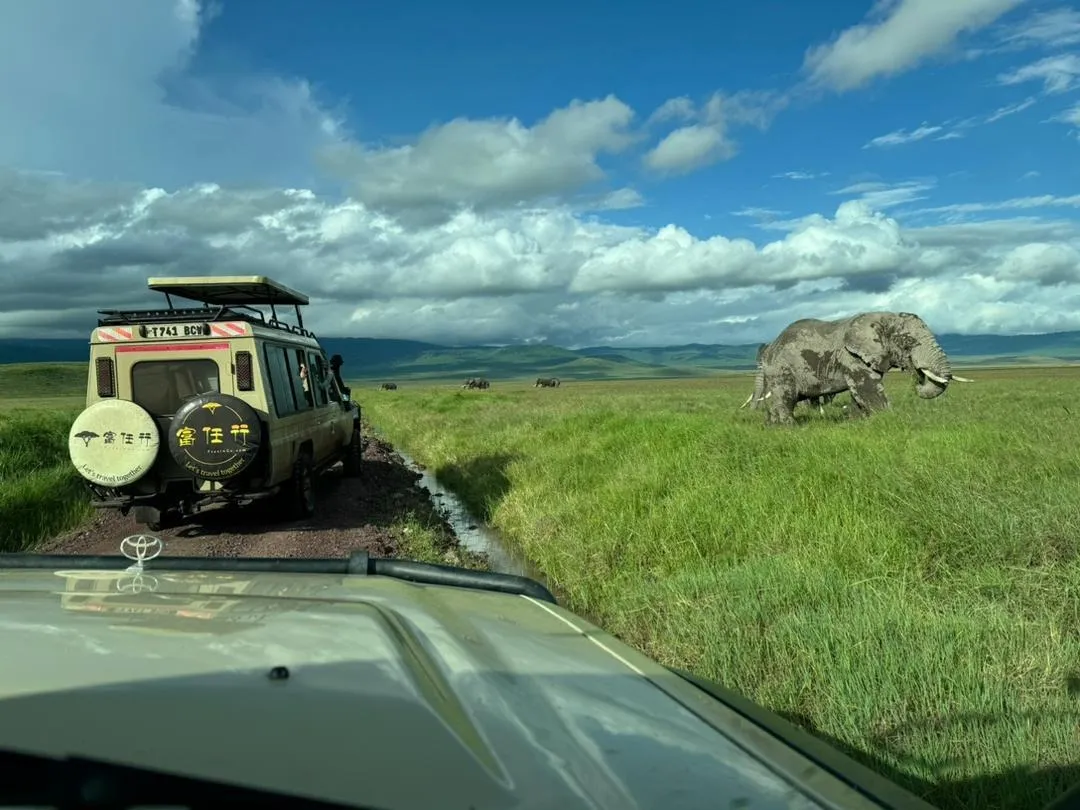
The Great Migration is one of Tanzania’s most extraordinary wildlife experiences. Every year, huge herds of wildebeest move across the Serengeti ecosystem in search of fresh grass and water. Along the journey, they are joined by zebras and gazelles, while lions, cheetahs, leopards, hyenas, and crocodiles follow the movement of the herds.
But where is the best place to see wildebeest?
The answer depends on the time of year. The herds do not remain in one location. They continuously move through different parts of the Serengeti, creating different wildlife experiences throughout the year.
If you are planning a Great Migration safari, understanding these locations can help you choose the right destination and travel season.
1. Southern Serengeti and Ndutu – Best for Calving Season
The Southern Serengeti and Ndutu region are among the best places to see wildebeest between approximately January and March.
During this period, the plains become important calving grounds. Large numbers of wildebeest gather in the area, and thousands of calves are born during the season.
The abundance of young animals also attracts predators.
Lions, cheetahs, hyenas, and leopards can often be seen around the plains, making this one of the most exciting periods for wildlife photography and predator sightings.
For travelers who want to see newborn wildebeest rather than dramatic river crossings, Ndutu is an excellent choice.
What You Can See
-
Large wildebeest herds
-
Newborn calves
-
Zebras and gazelles
-
Lions
-
Cheetahs
-
Leopards
-
Hyenas
-
Beautiful green plains
The landscape can be particularly attractive during the calving season because the short-grass plains become green after seasonal rains.
2. Central Serengeti – Follow the Herds Through the Plains
The Central Serengeti, including the Seronera area, is an important part of the migration route and is also excellent for general wildlife viewing.
As the herds move north, they pass through different sections of the Serengeti. The exact location can change depending on rainfall and grazing conditions.
The Central Serengeti is also known for its resident wildlife, so travelers do not have to rely entirely on seeing migrating wildebeest.
You may encounter lions, leopards, cheetahs, elephants, giraffes, buffalo, zebras, and many other species during game drives.
This makes Central Serengeti a good choice for travelers who want a combination of migration and classic safari wildlife.
3. Western Serengeti and Grumeti River – Watch the Herds Move North
Around May and June, the wildebeest begin moving northward through the Serengeti.
The Western Corridor becomes particularly interesting during this stage of the migration.
The Grumeti River is one of the important obstacles along the route. When the herds reach the river, travelers may have opportunities to see large groups gathering near the water and attempting crossings.
The area is also known for crocodiles and other wildlife.
However, river crossings are natural events and cannot be guaranteed on a specific day. The timing depends on the movement of the animals and seasonal conditions.
4. Northern Serengeti – One of the Best Places for Migration Viewing
Northern Serengeti is one of the most popular areas for travelers hoping to experience the migration between roughly July and September.
The region offers beautiful landscapes, large wildlife populations, and access to areas around the Mara River.
As the wildebeest reach northern Tanzania, large herds can gather around the river before attempting to cross.
This creates some of the most dramatic scenes associated with the Great Migration.
Northern Serengeti is also home to many resident predators, meaning you can experience much more than wildebeest during your safari.
5. Mara River – For Dramatic River Crossings
The Mara River is perhaps the most famous location associated with the Great Migration.
When wildebeest reach the river, large groups may gather along the banks before crossing.
The moment can be unpredictable. Herds may wait for a long time before entering the water, and sometimes they may move away and return later.
When a crossing happens, however, it can be an incredible wildlife spectacle.
Wildebeest enter the river while crocodiles wait in the water, and the animals must navigate steep banks and strong currents.
The Mara River crossings are generally associated with the July-to-September period, although exact timing varies each year.
6. Eastern and Central Serengeti – See the Herds Returning South
After spending time in the northern parts of the ecosystem, the wildebeest gradually begin moving south again.
During approximately October to December, parts of Central and Southern Serengeti can once again become important for viewing the returning herds.
This period can be a good option for travelers who want to experience the migration outside the busiest peak season.
The scenery also begins changing as seasonal rains bring fresh vegetation to parts of the Serengeti.
Why Does the Wildebeest Migration Move?
The migration is primarily driven by the availability of food and water.
Wildebeest follow seasonal rainfall patterns and move toward areas where fresh grass is available.
This means the migration does not operate according to a fixed calendar.
Although safari operators can use seasonal patterns to plan itineraries, the exact position of the herds can change from year to year.
This is one reason why having a knowledgeable local guide is so valuable.
Which Place Is Best for Your Safari?
The best destination depends on what you want to see.
For Calving Season
Choose Southern Serengeti and Ndutu during January to March.
For Large Herd Movements
Consider the Central and Western Serengeti during the northward movement.
For Grumeti River Crossings
The Western Corridor can be a good choice around June and July.
For Mara River Crossings
Choose Northern Serengeti around July to September.
For Returning Herds
Look toward the Central and Southern Serengeti during the later months of the year.
Why the Serengeti Is So Important to the Migration
The Serengeti is at the heart of the Great Migration ecosystem.
Its enormous grasslands provide grazing areas for the migrating herds, while rivers, woodland, kopjes, and open plains create habitats for predators and other wildlife.
The Serengeti is also much more than a destination for wildebeest.
During a migration safari, travelers can encounter the Big Five, cheetahs, hyenas, giraffes, zebras, hippos, crocodiles, birds, and many other species.
This makes the Serengeti an excellent destination even when the herds are not exactly where you expected them to be.
How to Increase Your Chances of Seeing Wildebeest
There is no way to guarantee a particular wildlife sighting, but careful planning can improve your chances.
Choose Your Travel Season Carefully
First decide which part of the migration interests you most.
If you want to see newborn calves, consider the early months of the year.
If river crossings are your priority, plan around the northern migration period.
Stay in the Right Region
The Serengeti is enormous.
Choosing accommodation close to the area where the herds are expected to be can reduce unnecessary travel time and give you more opportunities for game drives.
Allow Enough Time
A longer safari gives you more opportunities to explore.
The migration is unpredictable, so spending several days in the right area is generally better than visiting for only one day and expecting a major event to happen immediately.
Travel With a Knowledgeable Guide
An experienced safari guide understands the landscape and can follow recent wildlife movements and seasonal patterns.
This can make a major difference when searching for large herds spread across thousands of square kilometers.
Great Migration Safari With Freeingo Safaris
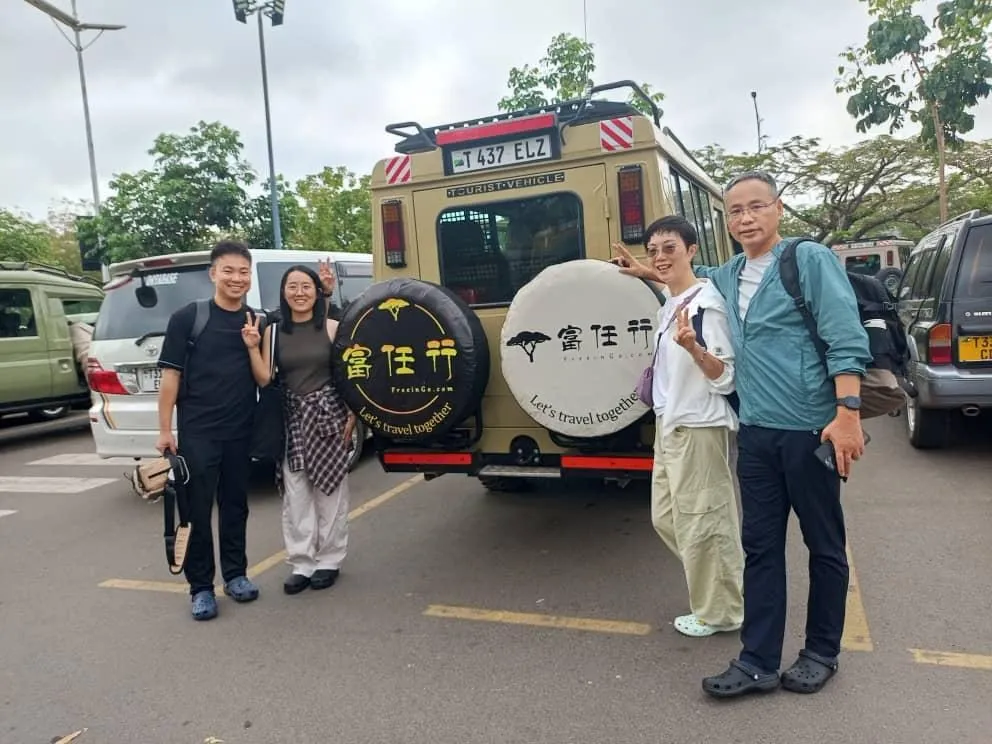
If you are planning a Great Migration safari in Tanzania, Freeingo Safaris offers migration-focused safari experiences across the Serengeti.
Their migration information highlights the major stages of the journey, including calving in the Southern Serengeti, movement through the Western Corridor, Mara River crossings in the Northern Serengeti, and the return toward the southern plains.
Freeingo also offers a five-day Great Migration safari flying from Zanzibar to the Northern Serengeti, making it possible to combine a Zanzibar beach holiday with a wildlife-focused safari.
For travelers specifically interested in the calving season, Freeingo also offers a Ndutu migration safari focused on the January-to-March period.
You can explore their Great Migration safari experiences to learn more about the different stages of the migration and plan your trip around the experience you want.
Final Thoughts
The best place to see wildebeest during the Great Migration depends largely on the time of year.
From the newborn calves of Ndutu and Southern Serengeti to the dramatic Grumeti River and Mara River crossings, each stage offers a different experience.
For travelers who want to see enormous herds moving across the plains, experience predator activity, and witness one of Africa’s greatest natural events, the Serengeti provides an extraordinary setting.
The key is not simply choosing a month. It is choosing the right region for the stage of the migration you want to experience.
With careful planning, enough time, and a knowledgeable safari guide, you can experience the wildebeest migration in a way that goes far beyond simply watching animals move across the plains.
