

In recent years, stargazing photography tours have become one of the most exciting travel experiences for photographers, astronomy enthusiasts, and adventure travelers. These specialized tours combine the magic of exploring remote destinations with the art of night sky photography, allowing participants to capture breathtaking images of stars, galaxies, meteor showers, and the Milky Way.
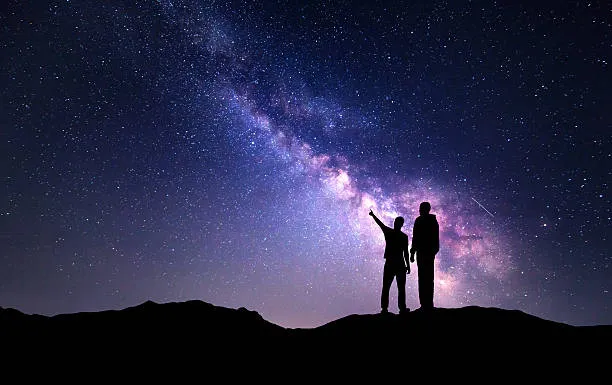
Far away from city lights and urban distractions, stargazing photography tours provide access to some of the darkest and clearest skies on Earth. Whether photographing the glowing Milky Way above mountain landscapes, capturing the northern lights in Arctic regions, or observing constellations in desert environments, these tours offer unforgettable experiences for travelers who appreciate both nature and creativity.
For many photographers, the night sky represents one of the last great frontiers of visual exploration. Stargazing photography tours provide the perfect opportunity to connect with the universe while creating extraordinary images.
What Are Stargazing Photography Tours?
Stargazing photography tours are guided travel experiences focused on night sky observation and astrophotography. These tours are designed for travelers who want to learn how to photograph celestial objects and experience dark-sky environments away from light pollution.
Unlike regular sightseeing trips, stargazing tours are carefully organized around astronomical events, moon phases, weather conditions, and ideal photography locations. Participants often travel with professional astrophotographers and local guides who provide instruction on camera settings, composition, and astronomy basics.
The experience usually includes:
-
Night sky photography workshops
-
Stargazing sessions with telescopes
-
Travel to dark-sky destinations
-
Landscape and astrophotography instruction
-
Camping or overnight stays in remote locations
-
Opportunities to photograph celestial events
These tours are suitable for both beginners and experienced photographers.
Why Stargazing Photography Tours Are So Popular
The growing interest in astronomy, travel photography, and outdoor adventure has made stargazing photography tours increasingly popular around the world.
Escape From Light Pollution
Modern cities produce heavy light pollution that hides much of the night sky. Stargazing tours take travelers to remote regions where stars appear brighter and more detailed.
Seeing the Milky Way clearly for the first time is often a life-changing experience for participants.
Unique Photography Opportunities
Night sky photography allows photographers to capture scenes invisible to the human eye. Long exposure techniques reveal colors, galaxies, and celestial details that create extraordinary images.
Connection With Nature
Spending time under a clear night sky creates a peaceful and emotional connection with nature and the universe. Many travelers describe stargazing tours as relaxing, inspiring, and deeply memorable.
Learning Experience
Participants not only improve photography skills but also gain knowledge about astronomy, constellations, planets, and celestial events.
The Beauty of Night Sky Photography
Stargazing photography combines technical skill with artistic creativity. The night sky offers endless possibilities for visual storytelling and experimentation.
Milky Way Photography
One of the main highlights of stargazing photography tours is capturing the Milky Way. The bright galactic core stretching across the sky creates dramatic and awe-inspiring compositions.
Photographers often combine the Milky Way with landscapes such as:
-
Mountains
-
Deserts
-
Lakes
-
Forests
-
Ancient ruins
-
Coastal scenery
These foreground elements add depth and emotion to astrophotography images.
Star Trail Photography
Star trails are created by long exposures that capture the movement of stars caused by Earth’s rotation. The resulting circular patterns create artistic and visually stunning photographs.
Northern Lights Photography
Some stargazing photography tours travel to Arctic destinations where participants can photograph the aurora borealis. The colorful lights dancing across the night sky create one of the world’s most spectacular photography experiences.
Meteor Showers and Celestial Events
Special tours are often organized around major astronomical events such as:
-
Meteor showers
-
Lunar eclipses
-
Solar eclipses
-
Planetary alignments
-
Supermoons
Capturing these rare events provides unforgettable photographic opportunities.
Best Destinations for Stargazing Photography Tours
Certain locations around the world are famous for their dark skies and ideal astrophotography conditions.
Atacama Desert, Chile
The Atacama Desert is one of the best stargazing destinations on Earth because of its high altitude, dry climate, and extremely clear skies.
Professional observatories in the region attract astronomers and astrophotographers from around the world.
Iceland
Iceland offers dramatic landscapes combined with opportunities to photograph the northern lights, volcanic scenery, glaciers, and star-filled skies.
Sahara Desert
The Sahara Desert provides vast open landscapes and minimal light pollution, making it ideal for Milky Way photography.
New Zealand
New Zealand’s remote wilderness areas and protected dark-sky reserves create exceptional conditions for astrophotography.
American Southwest
National parks such as Bryce Canyon, Death Valley, and Monument Valley are famous for stunning night sky photography opportunities.
Essential Equipment for Stargazing Photography Tours
Night sky photography requires specific equipment to capture detailed and sharp images in low-light conditions.
Camera
A DSLR or mirrorless camera with strong low-light performance and manual controls is highly recommended.
Wide-Angle Lens
Fast wide-angle lenses with apertures such as f/2.8 or wider allow photographers to capture more light from the stars.
Popular focal lengths include:
-
14mm
-
20mm
-
24mm
Tripod
A sturdy tripod is essential for long exposure photography. Even slight movement can ruin sharp night sky images.
Extra Batteries
Cold nighttime temperatures can quickly drain camera batteries, so carrying extras is important.
Headlamp
A headlamp with red light mode helps photographers work in darkness without affecting night vision.
Learning Opportunities During Photography Tours
One of the biggest advantages of joining a stargazing photography tour is access to expert instruction.
Professional guides teach participants:
-
Camera settings for astrophotography
-
Long exposure techniques
-
Focusing in darkness
-
Composition and framing
-
Image editing and post-processing
-
Astronomy basics and constellation identification
These practical lessons help photographers improve quickly in real-world conditions.
Challenges of Night Sky Photography
Although incredibly rewarding, astrophotography also presents technical and environmental challenges.
Weather Conditions
Cloud cover and humidity can interfere with stargazing and photography sessions. Flexibility and patience are essential.
Light Pollution
Artificial light from cities reduces visibility and image quality. Remote locations are necessary for the best results.
Technical Complexity
Photographing stars requires understanding manual camera settings, exposure control, and post-processing techniques.
Cold Temperatures
Night photography often involves cold conditions, especially in mountain or desert environments.
Despite these challenges, the final images are often breathtaking and deeply satisfying.
Benefits of Guided Stargazing Photography Tours
Traveling with an organized tour offers several important advantages.
Access to Dark-Sky Locations
Guides know the best locations with minimal light pollution and optimal viewing conditions.
Professional Support
Photography instructors help participants troubleshoot technical problems and improve image quality.
Safe and Comfortable Experience
Nighttime travel in remote areas can be challenging. Guided tours handle transportation, accommodations, and safety logistics.
Community and Inspiration
Traveling with other photography enthusiasts creates an inspiring environment where participants can exchange ideas and experiences.
Sustainable Astrotourism
As astrotourism grows, protecting dark skies and natural environments becomes increasingly important.
Responsible stargazing photography tours promote:
-
Minimal environmental impact
-
Respect for natural landscapes
-
Protection of dark-sky areas
-
Eco-friendly tourism practices
Preserving dark skies is essential for both astronomy and future generations of photographers.
Tips for Successful Night Sky Photography
To improve astrophotography results, photographers should follow several key tips.
-
Use manual camera settings
-
Focus carefully on stars
-
Shoot during new moon phases
-
Arrive early to scout locations
-
Use foreground elements creatively
-
Check weather forecasts before shooting
-
Practice patience and experimentation
The best astrophotography images often come from persistence and creativity.
Conclusion
Stargazing photography tours offer an extraordinary combination of travel, adventure, science, and artistic expression. From capturing the Milky Way over remote landscapes to photographing meteor showers and northern lights, these tours allow travelers to experience the beauty of the universe in unforgettable ways.
