

The traditional approach to a mountain vacation often involves a rigid checklist. Visitors rush from one ski lift to another, map out packed itineraries, and try to capture as many panoramic views as possible before heading home. While this fast-paced style of tourism offers a quick burst of excitement, it often leaves travelers feeling exhausted rather than refreshed. A growing movement is shifting the focus toward a more deliberate pace. Slow travel encourages visitors to settle into a destination, emphasizing depth of experience over the sheer quantity of sights seen. In the valleys and peaks of the European Alps, this philosophy finds its perfect landscape.
Embracing the Rhythm of the Mountains
Slowing down allows the natural cadence of alpine life to become the central focus of a journey. Instead of passing through multiple villages in a single week, travelers spend their days exploring a specific valley or mountainside. This approach changes how one interacts with the environment. A morning walk turns into an observation of changing light on granite peaks, while an afternoon is spent learning about the delicate ecosystem of high-altitude meadows.
The benefits of this shift extend beyond personal relaxation. When tourists stay longer in one place, they reduce their reliance on frequent transportation, lowering their environmental footprint. This deliberate pacing creates opportunities for spontaneous discoveries, such as finding a quiet hiking trail missed by the crowds or experiencing a local market operating just as it has for generations.
A Base for Mindful Exploration
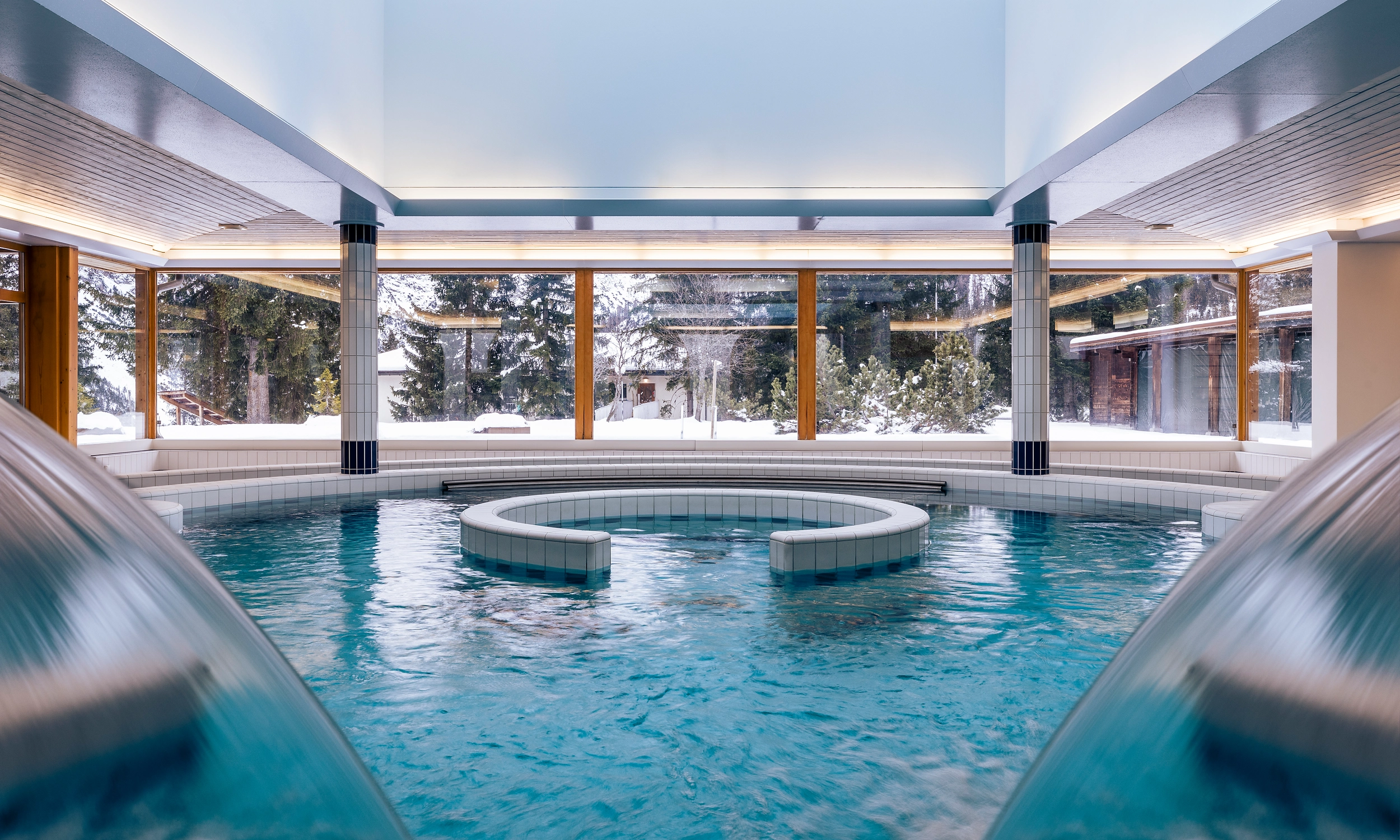
Choosing a central point of relaxation is vital to this style of travel. The right accommodation acts as a sanctuary rather than just a place to store luggage, providing a space where guests can unwind fully after a day of mindful exploration. Finding a comfortable hotel in Swiss Alps offers the ideal foundation for this immersive approach, allowing visitors to return to a calm environment that mirrors the tranquility of the surrounding nature. From this steady base, day trips become unhurried wanders through pine forests and historical villages, rather than rushed excursions designed to beat the clock.
Connecting with Local Traditions
When urgency is removed from travel, the cultural fabric of alpine communities becomes visible. The Alps are home to distinct regional identities shaped by centuries of geographic isolation. Travelers moving at a slower pace have the time to engage with these living traditions, whether through sampling artisanal foods or observing historical architecture.
-
Artisanal Culinary Practices: Understanding the journey of mountain ingredients, from high-altitude pastures to small-scale village creameries.
-
Architectural Heritage: Noticing the subtle differences in woodcraft and stone masonry that distinguish one valley’s chalets from the next.
-
Community Dynamics: Supporting local businesses, family-owned shops, and regional guides, which keeps tourism revenue within the community.
These interactions foster a genuine connection to the region. Food is no longer just sustenance; it becomes a lesson in geography and agricultural history. Conversations with local residents offer insights that cannot be found in standard guidebooks.
The Lasting Impact of Deliberate Journeys
The true appeal of slow travel lies in its permanence. The memories formed through quiet observation and deep engagement tend to last far longer than those created during a whistle-stop tour. Visitors return home with a profound appreciation for the mountain environment and a restored sense of personal well-being. By choosing to experience fewer things with greater intent, travelers do not miss out on the Alps; instead, they truly discover them.
